Blog
How Long Does Commercial Solar Installation Take?
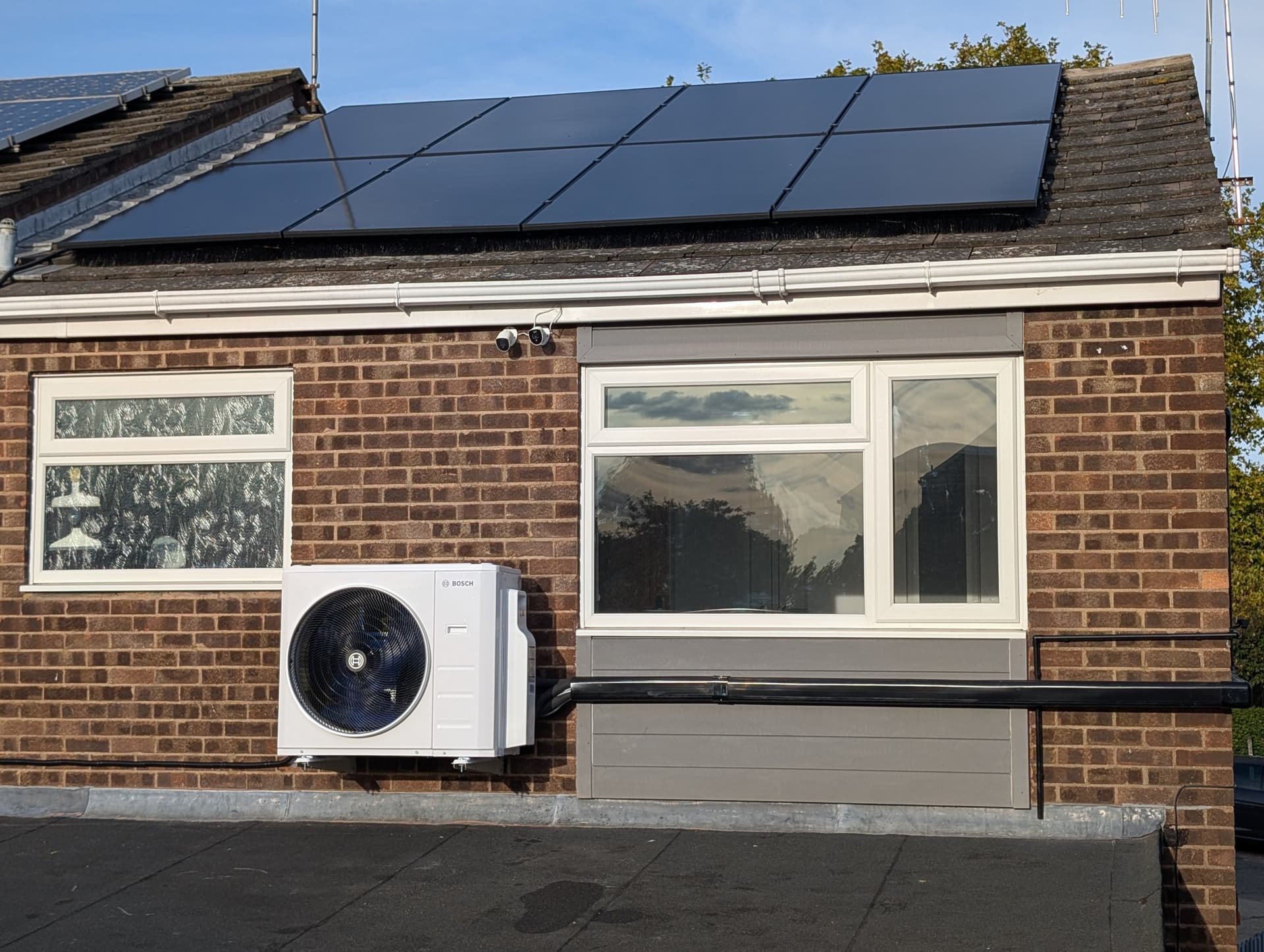
A commercial solar project has several stages that depend on one another. The physical installation is only one part of the timetable. Building suitability, roof access, electrical arrangements and the Distribution Network Operator’s requirements can all affect when work can proceed and what needs coordinating first.
For businesses considering a commercial solar project, understanding those dependencies helps you plan around staff, customers and day to day operations. The overview of our Commercial Solar Solutions explains the service. Here, we look more closely at why project schedules differ from one commercial property to another.
The building sets the starting point
A survey is not just a way to measure the roof. The building’s construction and condition help establish whether the proposed solar panel system can be accommodated and what needs resolving before installation. Roof coverings, structural capacity, access routes and the position of the electrical intake can all influence the design and sequence of work.
A warehouse with clear access may present different planning needs from an older office with restricted roof access or an agricultural building with a complex layout. If the roof needs further assessment, or access arrangements require coordination, that work can affect the schedule before any panels are fitted. It is better to identify those issues early than to treat them as surprises once work is underway.
Think about how people and equipment move around your site, too. Loading areas, parking, deliveries and occupied workspaces can affect where installation activity can take place. The more clearly these constraints are understood at the outset, the more practical the working plan can be.
Grid approval is a separate dependency
A commercial solar panel system connects to your electrical installation and may export electricity to the network. The Distribution Network Operator, or DNO, assesses the proposed connection and may set requirements that influence how the system can operate. This is separate from the physical work on the roof, so permission and installation should not be treated as a single step with one fixed duration.
The details submitted for assessment need to reflect the proposed system and the site. If a design changes, or the DNO requires a different arrangement, the project may need further coordination before connection and commissioning can be completed. That is why the grid process belongs in the programme from the beginning, rather than being left until the panels are in place.
For your business, the practical question is not simply when installation starts. It is whether the design, approvals and site arrangements are ready in the right order. A clear plan should distinguish work that can move ahead from decisions or permissions that still need to be confirmed.
Your operating pattern affects the work plan
The best installation plan also depends on how the building is used. A site that must keep particular areas open, maintain access for deliveries or avoid disruption to essential operations may need the work arranged around those requirements. This does not necessarily change the technical design, but it can change how installation activity is organised.
Before planning begins, note any access restrictions, busy areas, internal working hours and periods when equipment or routes must remain available. You do not need to design the installation yourself. Sharing these details gives the project team a more accurate picture of the practical constraints and helps avoid preventable clashes on site.
Electrical work also needs to fit the building’s existing arrangements. The location and condition of the point where electricity enters the building, the space available for the system’s other equipment and how the system will connect can all affect what needs to happen. Those details are property specific, so a schedule based only on roof size can miss important work elsewhere in the building.
Handover depends on more than finishing the installation
The project is not complete simply because the panels are in place. The system needs to be checked and set up to operate, and the relevant technical information needs to be available to the people responsible for the building. Where grid requirements apply, connection arrangements also need to be dealt with before the system is treated as ready to operate.
That makes the final stage dependent on the earlier ones: a settled design, completed installation and the required approvals or checks. When you review a proposed programme, ask what must be complete before commissioning and what information you will receive at handover. Those questions make it easier to understand what the stated completion point actually includes.
Get a schedule based on your site
There is no reliable single timeline for every commercial solar installation. Roof and electrical conditions, access, the size and layout of the proposed system, grid requirements and your operating constraints all shape the sequence. A useful project plan should identify those factors and show which decisions or approvals are still outstanding, rather than relying on a generic estimate.
If you are considering commercial solar in Ardleigh, Colchester or elsewhere across our service area, we can discuss the factors that will shape your project. Here at Empowered Energy, we recommend starting with the building and its operating needs, so the proposed schedule reflects the site rather than an assumption.
Other Articles