Blog
Signs You Need Heat Pump Installation — And What To Do Next
How to tell if your home needs a heat pump
If your boiler is aging, running up high energy bills, or struggling to keep downstairs and upstairs comfortable, a heat pump could be the practical, low-carbon replacement you need. As a family-run renewable specialist based in East Anglia with over 15 years’ experience, Empowered Energy helps local homeowners in Colchester, Ipswich and surrounding villages identify when a heat pump is the right option.
Here are common signs you should consider heat pump installation — and what to do about each one.
1. Your gas or oil boiler is old or unreliable
Frequent breakdowns, rising repair calls and a boiler that loses efficiency as it ages are classic signals. A modern air-source or ground-source heat pump can deliver heating and hot water more efficiently for well-insulated homes. If your boiler is beyond fifteen years or spare parts are hard to find, it’s sensible to get a heat-loss survey and quote.
What to do: book a survey to check system compatibility and heat loss. We carry out detailed assessments across Colchester and the Tendring coast.
2. Heating bills feel out of control
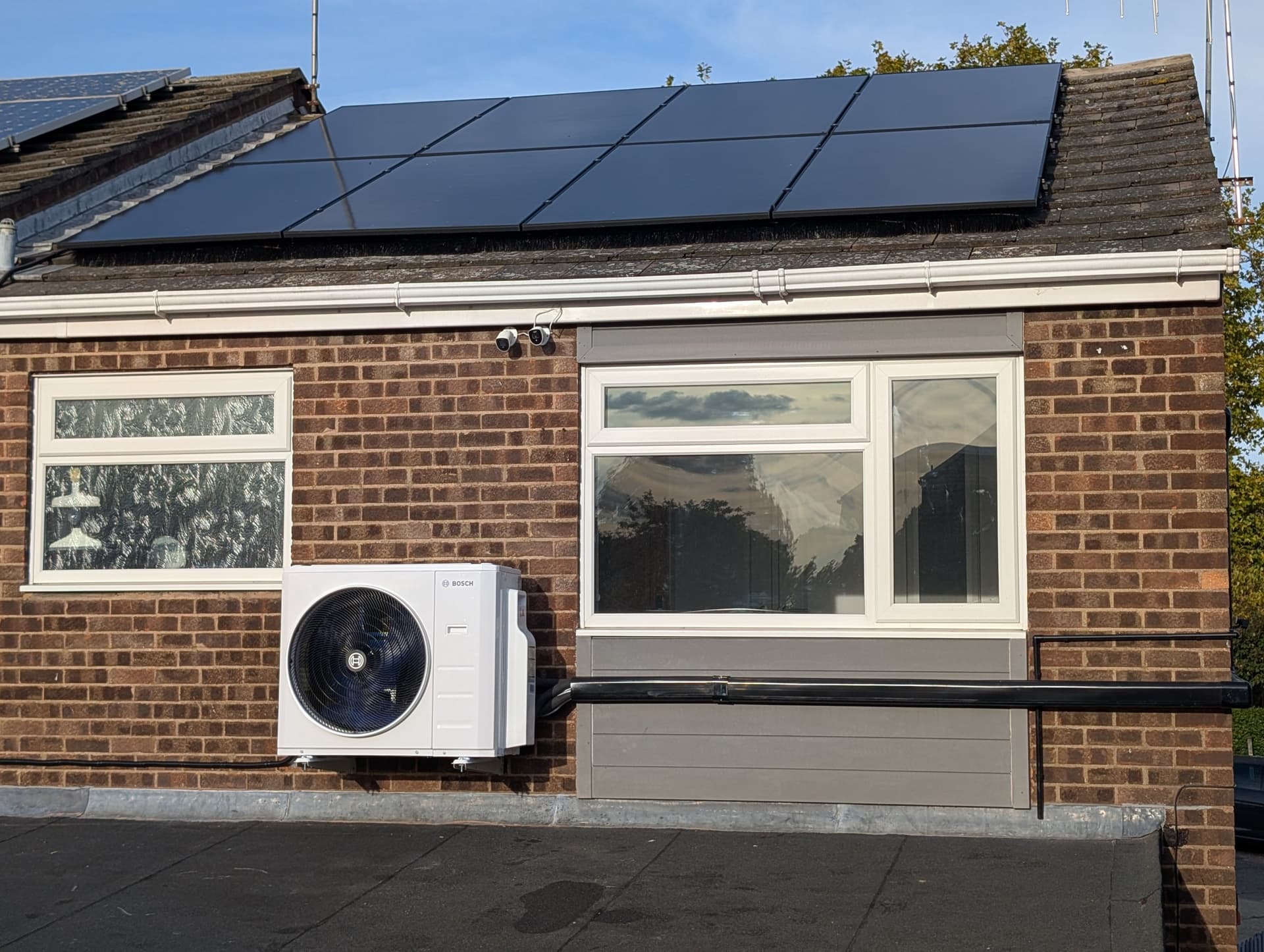
If similar households nearby are paying less, poor boiler efficiency, old pipework or the wrong heating distribution could be to blame. Heat pumps run on electricity and can be paired with solar PV and battery storage to reduce running costs and increase self-consumption.
What to do: gather recent energy bills and ask for an energy comparison. We can model running costs for your property and show the effect of adding solar and a Tesla Powerwall.
3. Radiators take too long to heat or never get warm
Heat pumps work most efficiently with lower-temperature distribution: larger radiators, additional radiators, or underfloor heating. If your radiators are too small or your system is poorly balanced, a heat pump retrofit may still be possible — but it needs design work.
What to do: a plumber-led inspection will check radiator sizes, flow temperatures and whether underfloor heating is a sensible option.
4. You want to cut carbon and futureproof your home
For those converting off gas or making long-term upgrades, heat pumps are a low-carbon central heating choice. They integrate with solar PV and battery storage to maximise on-site renewable use.
What to do: consider a whole-house plan — insulation, glazing, ventilation and an appropriately sized heat pump. We help customers in Braintree and Ipswich plan staged upgrades.
5. Your property has adequate space for an outdoor unit or ground loop
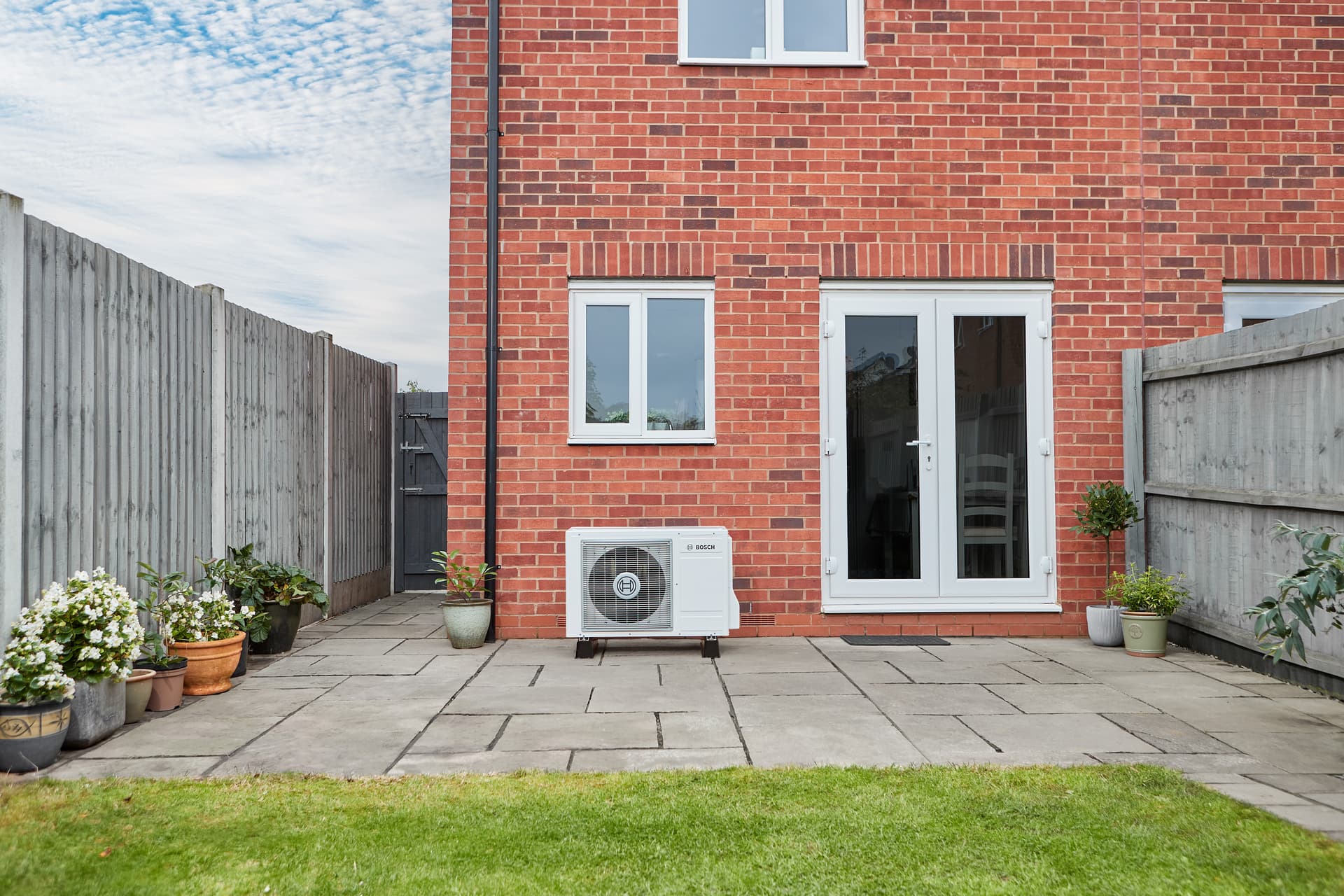
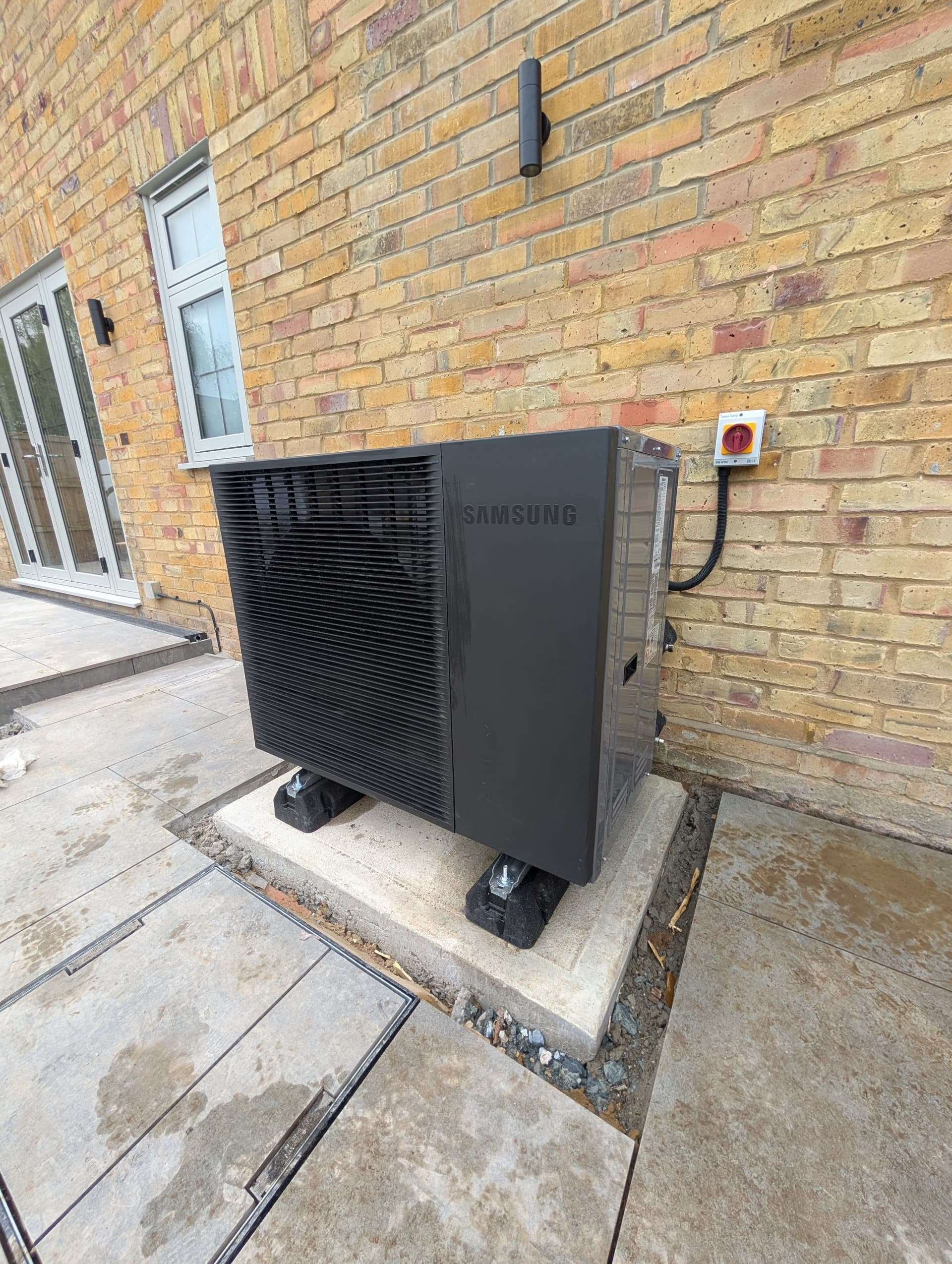
Air-source heat pumps need an outdoor unit with clear airflow and firm mounting; ground-source systems require land for trenches or boreholes. Noise, neighbours and access are practical factors to consider.
What to do: arrange a site visit so we can assess space, noise impact and any planning considerations.
6. You’re planning a major renovation or building extension
Heat pumps are easiest to integrate during major works when you can upgrade insulation, layout and heating distribution at the same time.
What to do: include a renewable heating specialist early in your project so the system is sized and positioned for the finished house.
Practical next steps — a simple five-point checklist
Gather your boiler age, recent energy bills and property details (floor area, number of radiators).
Book a qualified home survey — we carry out heat-loss calcs and inspect distribution systems across Colchester, Felixstowe and surrounding areas.
Review insulation and glazing — a heat pump performs best in a well-sealed home; improving fabric first will reduce system size and running costs.
Consider solar PV and battery storage — pairing with a Tesla Powerwall increases resilience and self-use of generated electricity.
Compare designs and warranties — look for a clear specification, commissioning plan and workmanship warranty. Empowered Energy backs installations with a six-year workmanship warranty and full insurance cover.
What to expect during installation and aftercare
A typical process starts with a detailed survey and heat-loss calculation, then a bespoke system design. Installation includes siting the external unit, adapting cylinder or buffer tanks for hot water, and commissioning to achieve correct flow temperatures. After installation, regular servicing keeps the system efficient — we offer servicing and repairs across the region.
Frequently asked concerns
Will my house need bigger radiators? Possibly. Many installs need larger emitters or underfloor heating to run efficiently at lower temperatures.
Is planning permission required? Usually not for air-source units, but conservation areas or listed buildings may need advice.
Can I add battery storage? Yes — we install Tesla Powerwall systems and integrate them with solar and heat pumps to improve resilience.
Ready to find out if a heat pump suits your home?
If you live in East Anglia and want a friendly, practical assessment, please contact us. Empowered Energy is a family-run team with 15 years’ experience, fully insured work and a six-year workmanship warranty. Arrange a survey and we’ll provide a clear, no-pressure plan for your property and budget — including advice on solar, Tesla Powerwall integration and Boiler Upgrade Scheme eligibility.
Other Articles